Winter
I'm Thinking of Ending ThingsWinter is the physical and emotional weather of the farm visit and the drive that follows. The cold makes the landscape tangible—snow crunches underfoot, paths crumble beneath it, and wind drives flakes across an unplowed road—while steadily narrowing the characters’ comfort and sense of safety. Against that pressure, Jake recalls noticing the sky and trees with a care he says he no longer feels, making the season a setting for both acute perception and its loss.
The Farm in the Cold
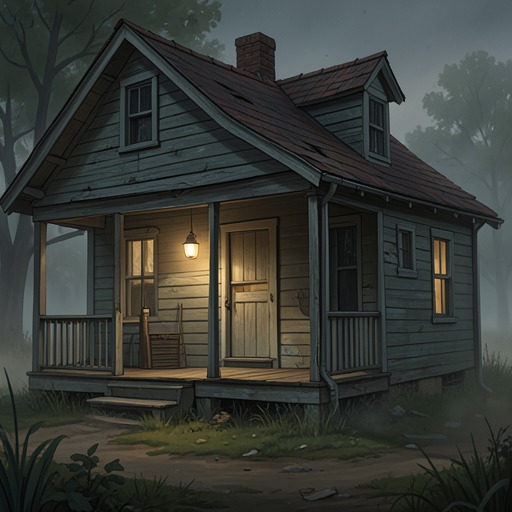
The winter walk begins with Jake wanting to show the narrator the property, although the narrator expects him to go inside and greet his parents. Instead, he gives what he calls an abridged tour. The interlocking stone path from the lane to the barn is uneven and crumbling beneath the snow, and the cold is severe enough that the snow crunches rather than yielding like wet snow suitable for making snowballs. Jake walks ahead without gloves, his hands red; the narrator, without warm pants or long underwear, feels numb legs. The walk offers fresh air, but not the invigorating kind the phrase might promise: it is frigid, and the narrator’s body registers the cost.
Jake nevertheless wants the narrator to see the grounds. He points out the apple orchard and the place where the vegetable gardens grow in summer, then leads the way to the barn. The contrast between a winter landscape and the seasonal uses he describes makes the farm present partly through what is absent for now. His attention to the property is also personal: he remembers the stars appearing three times as bright as in the city and clouds moving across humid summer afternoons. The recollection places winter against a remembered abundance of sky, light, and changing forms.
That memory carries a quieter change. Jake says he used to notice things such as trees, but does not think he does so as much anymore and cannot say when that altered. The narrator responds that noticing is not silly and that most people would not pay such attention. Winter thus frames not only the walk but a conversation about perception: the cold sharpens immediate bodily sensation even as Jake describes a diminished habit of observing the world.
Snow, Darkness, and the Window
The route continues behind the house, off the path and through unshoveled snow. The narrator presses their chin to their chest for warmth and is unusually hungry. In that exposed darkness, the narrator sees a gaunt, long-haired woman standing at an upstairs window and looking down at them. The narrator asks whether she is Jake’s mother and waves, but receives no response; Jake suggests she probably cannot see them in the dark. The sight occurs during an ordinary walk around the property, yet the winter conditions—darkness, cold, and distance from the house—make the figure difficult to read. The season supplies the conditions of uncertainty without resolving who is at the window or what she sees.
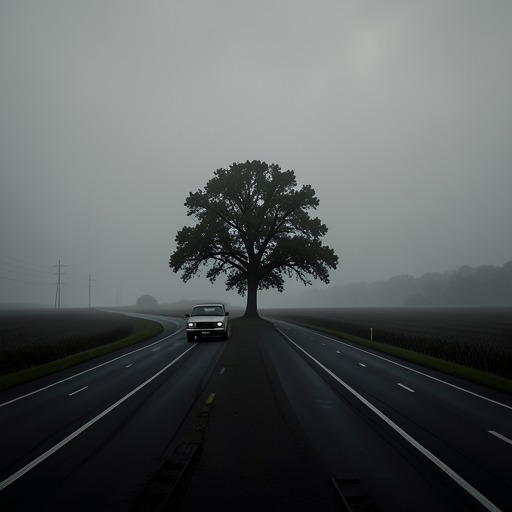
Snow also persists after the visit, linking the farm’s isolated grounds to the road home. At first the narrator cannot tell whether it is snowing; it seems to be starting, but not heavily. The narrator laughs at the incongruity of being unable to eat dessert at Jake’s parents’ place because it contains dairy, then stopping at a Dairy Queen in the middle of winter, in freezing weather. The joke registers a minor absurdity inside a night already shaped by fatigue and reflection. The narrator thinks there are other things behind the laughter, but decides not to say them.
The Storm and the Road
At the Rural Dairy Queen, the snow has begun to gather force. The narrator notices it swirling more than falling and expects that, once it gets going, it will stay on the ground. A headache makes the cold feel good against the narrator’s head; the narrator hopes to be in bed with Advil and imagines shoveling the next morning if the headache has passed. Jake reads the weather as a possible major storm, describing the wind as freezing. These distinct responses keep winter concrete: it is a headache’s relief, a forecast, and weather that may soon require work.
The storm changes the significance of the drive. Later, the road is messy and slick, has not been plowed, and Jake says he is going slowly. He apologizes because the destination is farther away than he thought. The narrator’s unease gathers around the whole night—the drive to the farm, the walk, meeting Jake’s parents, his mother, what his father said, his brother, and the thought of ending the relationship—before the detour adds another uncertainty. Weather does not create those concerns, but it changes the conditions in which they accumulate: the road is harder to travel, the night is long, and forward movement is slow.
Narrative Function
Across these scenes, winter connects domestic space, open ground, and the road between destinations. At the farm, it makes the narrator’s discomfort and Jake’s remembered summer observations sharply distinct. On the way back, the snow shifts from a detail noticed through the car window to a worsening storm and a practical danger on an unplowed road. That progression gives the weather a quiet narrative pressure: a visit that might have remained a tour and a meal becomes a prolonged, uncertain journey.
The season also sharpens the contrast between what the characters can register and what remains unresolved. Jake remembers stars and clouds but doubts his own former attentiveness; the narrator notices cold, hunger, a figure at a window, a headache, and the beginnings of snow, while withholding some of what the evening means. Winter does not explain the family tensions or the narrator’s thoughts about ending the relationship. Instead, it gives those pressures a shared, material setting, where numbness, limited visibility, and a slick road make the night feel increasingly difficult to move through.